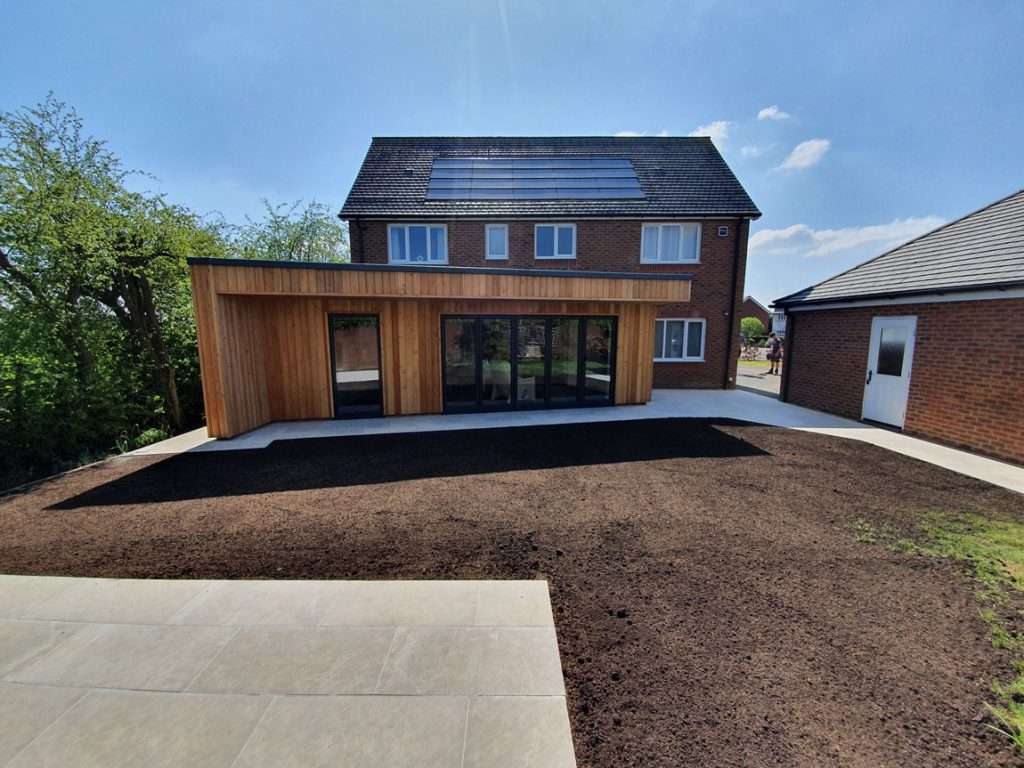
Introduction to Landscape Gardening
Landscape gardening is a captivating blend of artistry, horticulture, and craftsmanship that transforms outdoor spaces into stunning sanctuaries. This article delves into the profession, tracing its roots, and exploring its contemporary significance.
Defining the Profession
Landscape gardening encompasses the design, installation, and maintenance of outdoor spaces, ranging from private gardens to public parks. It requires a deep understanding of plants, soils, and ecological systems, coupled with creative vision and technical expertise.
Historical Overview of Landscape Gardening
Dating back to ancient civilizations, landscape gardening has evolved alongside human societies. From the geometric gardens of Mesopotamia to the formal landscapes of Renaissance Europe, gardens have served as expressions of cultural ideals and aesthetic sensibilities.
Evolution of the Role in Modern Times
In the modern era, landscape gardeners play a vital role in shaping urban environments and enhancing quality of life. With an emphasis on sustainability and ecological stewardship, contemporary practitioners integrate native plants, water features, and green infrastructure to create resilient landscapes.
Understanding the Scope of Work
The scope of work for landscape gardeners is diverse and dynamic, encompassing a wide range of tasks and responsibilities tailored to each project’s unique requirements.
Overview of Tasks and Responsibilities
Landscape gardeners undertake a myriad of tasks, including site assessments, soil preparation, planting, irrigation design, hardscape construction, and ongoing maintenance. Their expertise extends beyond gardening to encompass elements of architecture, engineering, and environmental science.
Varied Nature of Projects Undertaken
From intimate residential gardens to expansive public parks, landscape gardeners engage with projects of all scales and complexities. Whether creating tranquil retreats or vibrant community spaces, they approach each project with creativity, sensitivity, and attention to detail.
Collaboration with Clients, Architects, and Other Professionals
Effective communication and collaboration are essential components of the landscape gardening process. Landscape gardeners work closely with clients to understand their needs and aspirations, collaborating with architects, engineers, and other professionals to ensure seamless project delivery.
Initial Consultation and Site Analysis
The initial consultation and site analysis phase lays the foundation for successful landscape projects, providing an opportunity for landscape gardeners to understand the site’s unique characteristics and the client’s vision.
Importance of Client Communication
During the initial consultation, landscape gardeners engage clients in a dialogue to identify their preferences, priorities, and budgetary constraints. Clear communication fosters trust and enables landscape gardeners to tailor their designs to meet the client’s specific needs.
Assessing Site Conditions and Constraints
Site analysis involves a comprehensive assessment of environmental factors such as soil quality, drainage patterns, sun exposure, and existing vegetation. By understanding the site’s strengths and limitations, landscape gardeners can develop design solutions that maximise its potential while mitigating potential challenges.
Gathering Client Preferences and Project Requirements
In addition to site analysis, landscape gardeners gather information on the client’s lifestyle, aesthetic preferences, and functional requirements. This holistic approach ensures that the resulting design reflects the client’s personality and enhances their enjoyment of the outdoor space.
Design Development and Planning
The design development and planning stage is where the landscape gardener transforms the client’s vision into tangible design concepts, marrying artistic expression with practical considerations.
Translating Client Vision into Design Concepts
Landscape gardeners collaborate closely with clients to understand their desires, lifestyle, and aesthetic preferences. Through active listening and creative dialogue, they translate these aspirations into cohesive design concepts that capture the essence of the client’s vision.
Incorporating Principles of Landscape Architecture
Drawing upon principles of landscape architecture, landscape gardeners imbue their designs with spatial harmony, functionality, and beauty. They carefully consider factors such as scale, proportion, rhythm, and balance to create visually captivating and emotionally resonant outdoor environments.
Factors Influencing Design Decisions (Climate, Soil, Topography)
Design decisions are informed by a nuanced understanding of environmental factors such as climate, soil composition, and topography. By harnessing the unique characteristics of the site, landscape gardeners craft designs that thrive in their specific context while minimising environmental impact.
Plant Selection and Horticultural Expertise
Plant selection is a cornerstone of landscape design, with landscape gardeners leveraging their horticultural expertise to curate diverse and resilient plant palettes that enhance the beauty and functionality of outdoor spaces.
Knowledge of Plant Species and Characteristics
Landscape gardeners possess a deep knowledge of plant species, including their growth habits, seasonal variations, and ecological requirements. This expertise enables them to select plants that thrive in the local climate and soil conditions, ensuring long-term health and vitality.
Creating Balanced and Sustainable Plant Palettes
Balancing aesthetic considerations with ecological sustainability, landscape gardeners create plant palettes that promote biodiversity, conserve water, and minimise maintenance requirements. They carefully select native and adaptive species that are well-suited to the site’s microclimate and contribute to the overall ecosystem health.
Addressing Issues Such as Soil Health and Irrigation Needs
In addition to plant selection, landscape gardeners address soil health and irrigation needs to support optimal plant growth and vitality. They assess soil quality, amend as necessary, and design efficient irrigation systems that deliver water where it’s needed most while reducing water waste.
Hardscaping and Construction
Hardscaping and construction are integral components of landscape design, providing structure, functionality, and visual interest to outdoor spaces.
Installation of Pathways, Patios, and Retaining Walls
Landscape gardeners oversee the installation of hardscape elements such as pathways, patios, and retaining walls, using high-quality materials and expert craftsmanship to create durable and aesthetically pleasing features. Whether paving a meandering garden path or constructing a terraced seating area, attention to detail is paramount.
Construction of Water Features and Outdoor Structures
Water features and outdoor structures add focal points and sensory richness to landscape designs, enhancing the overall experience of the outdoor environment. Landscape gardeners design and construct water features such as ponds, fountains, and waterfalls, as well as outdoor structures such as pergolas, arbours, and gazebos, creating inviting spaces for relaxation and socialising.
Ensuring Compliance with Building Codes and Regulations
Throughout the hardscaping and construction process, landscape gardeners adhere to building codes and regulations to ensure the safety, durability, and legal compliance of the project. From securing permits to implementing best practices in construction techniques, they uphold the highest standards of professionalism and integrity.
Implementation and Project Management
Efficient implementation and diligent project management are crucial aspects of landscape gardening. Landscape gardeners oversee every aspect of the project, from coordinating subcontractors and suppliers to ensuring adherence to timelines and quality standards.
Coordination of Subcontractors and Suppliers
Landscape gardeners collaborate with a network of skilled professionals, including contractors, craftsmen, and nurseries, to execute various aspects of the project. Effective coordination ensures seamless workflow and timely completion of tasks.
Scheduling and Timeline Management
Managing project timelines requires careful planning and organisation. Landscape gardeners develop comprehensive schedules, prioritising tasks and allocating resources to meet deadlines while accommodating unforeseen challenges or delays.
Quality Control and Site Supervision
Maintaining high standards of craftsmanship and attention to detail is paramount in landscape gardening. Landscape gardeners conduct regular site inspections, ensuring that workmanship meets established benchmarks and addressing any issues promptly to ensure client satisfaction.
Sustainable Practices and Environmental Considerations
Incorporating sustainable practices and prioritising environmental considerations are fundamental principles of modern landscape gardening. Landscape gardeners embrace eco-friendly design techniques to minimise environmental impact and promote ecological resilience.
Integration of Eco-Friendly Design Principles
Landscape gardeners integrate sustainable design principles, such as using permeable paving materials and incorporating green roofs and walls, to reduce carbon footprint and enhance biodiversity.
Water Conservation Techniques
Implementing water conservation strategies is integral to sustainable landscape design. Landscape gardeners utilise techniques such as rainwater harvesting, drip irrigation, and xeriscaping to minimise water consumption while maintaining healthy and vibrant landscapes.
Use of Native Plants and Materials
Selecting native plants and locally sourced materials promotes biodiversity and strengthens ecological connections within the landscape. Landscape gardeners leverage indigenous flora and natural elements to create resilient and harmonious outdoor environments.
Maintenance and Long-Term Care
Establishing comprehensive maintenance protocols ensures the longevity and vitality of landscaped spaces. Landscape gardeners provide ongoing care and support, empowering clients with the knowledge and resources to preserve the beauty and functionality of their landscapes.
Establishing Maintenance Schedules and Guidelines
Landscape gardeners develop tailored maintenance schedules, outlining tasks such as pruning, fertilising, and seasonal plant care. Clear guidelines ensure that maintenance activities are performed consistently and effectively.
Pruning, Fertilising, and Pest Management
Regular pruning promotes plant health and encourages robust growth, while judicious fertilisation provides essential nutrients for sustained vitality. Landscape gardeners employ integrated pest management strategies to minimise pest infestations while safeguarding ecosystem balance.
Client Education on Proper Care and Upkeep
Empowering clients with knowledge about proper landscape maintenance fosters a sense of stewardship and ownership. Landscape gardeners provide educational resources and guidance, equipping clients with the skills and understanding needed to nurture and enjoy their outdoor spaces for years to come.
Client Satisfaction and Continued Support
Client satisfaction is paramount in landscape gardening. Landscape gardeners ensure that every aspect of the project aligns with client expectations, addressing any post-installation issues or concerns promptly and effectively. Building long-term relationships and providing ongoing support demonstrate a commitment to exceeding client needs.
Ensuring Project Meets Client Expectations
Landscape gardeners collaborate closely with clients throughout the project, soliciting feedback and making adjustments to ensure the final result reflects their vision and preferences accurately.
Addressing Any Post-Installation Issues or Concerns
Even after the completion of the project, landscape gardeners remain attentive to client needs, promptly addressing any issues that may arise and offering solutions to maintain the integrity and functionality of the landscape.
Building Long-Term Relationships and Providing Ongoing Support
Cultivating trust and rapport with clients is essential for fostering lasting relationships. Landscape gardeners offer ongoing support and guidance, providing assistance with maintenance, upgrades, and future projects.
Professional Development and Industry Trends
Staying abreast of industry developments and embracing professional development opportunities are integral to the success of landscape gardeners. By continuously expanding their knowledge and skills, landscape gardeners remain at the forefront of the profession, delivering innovative solutions and exceptional service to clients.
Continuing Education and Certification Opportunities
Participation in workshops, seminars, and certification programs allows landscape gardeners to enhance their expertise and stay current with industry best practices. Accredited certifications demonstrate proficiency and commitment to excellence.
Keeping Abreast of New Technologies and Innovations
Advancements in technology and design methodologies continually shape the landscape gardening industry. Landscape gardeners leverage cutting-edge tools and techniques to streamline workflows, enhance efficiency, and achieve superior results.
Emerging Trends in Sustainable Landscaping and Outdoor Living Design
As sustainability becomes increasingly important, landscape gardeners embrace eco-conscious practices and innovative design solutions. Trends such as edible gardens, wildlife habitats, and low-maintenance landscapes reflect a growing demand for environmentally friendly outdoor spaces.
Conclusion: The Art and Science of Landscape Gardening
Landscape gardening is a dynamic blend of artistry and technical expertise, enriching outdoor environments with beauty, functionality, and sustainability. By embracing creativity, innovation, and a commitment to client satisfaction, landscape gardeners shape landscapes that inspire and endure for generations to come.